On 12 June at 5:21 PM ET, Anthropic received a US government export-control directive and removed global access to Fable 5 and Mythos 5: for everyone, including foreign nationals and Anthropic's own foreign employees. Three days after the two models launched, the most capable thing you could rent from Anthropic simply switched off.
What happened
The directive cited national security. The government's position is that a method for jailbreaking Fable 5 exists. Anthropic reviewed the demonstration and described the specific technique as "asking the model to read a specific codebase and fix any software flaws," characterising it as a narrow, non-universal jailbreak that does not broadly bypass safeguards across capabilities. Anthropic pushed back hard:
We disagree that the finding of a narrow potential jailbreak should be cause for recalling a commercial model deployed to hundreds of millions of people.
Anthropic says it is complying with the legal directive and "working to restore access as soon as possible." All other Anthropic models remain available. But for now there is no migration path in the statement: if your product was built on Fable 5, it stopped working on Friday afternoon.
Why this matters even if you never touched Fable 5
The specifics here are unusual. The underlying lesson is not. The most capable model you can build on is a dependency you do not control, and it can disappear overnight for reasons that have nothing to do with you or your customers: a regulator, a geopolitical decision, a vendor changing its mind, a price change you cannot absorb.
If a single model is wired into the core of your product with no alternative, you do not have a feature. You have a single point of failure with a press office.
How we build so this does not sink you
This is exactly the kind of risk we design around from the start. In practice that means three things:
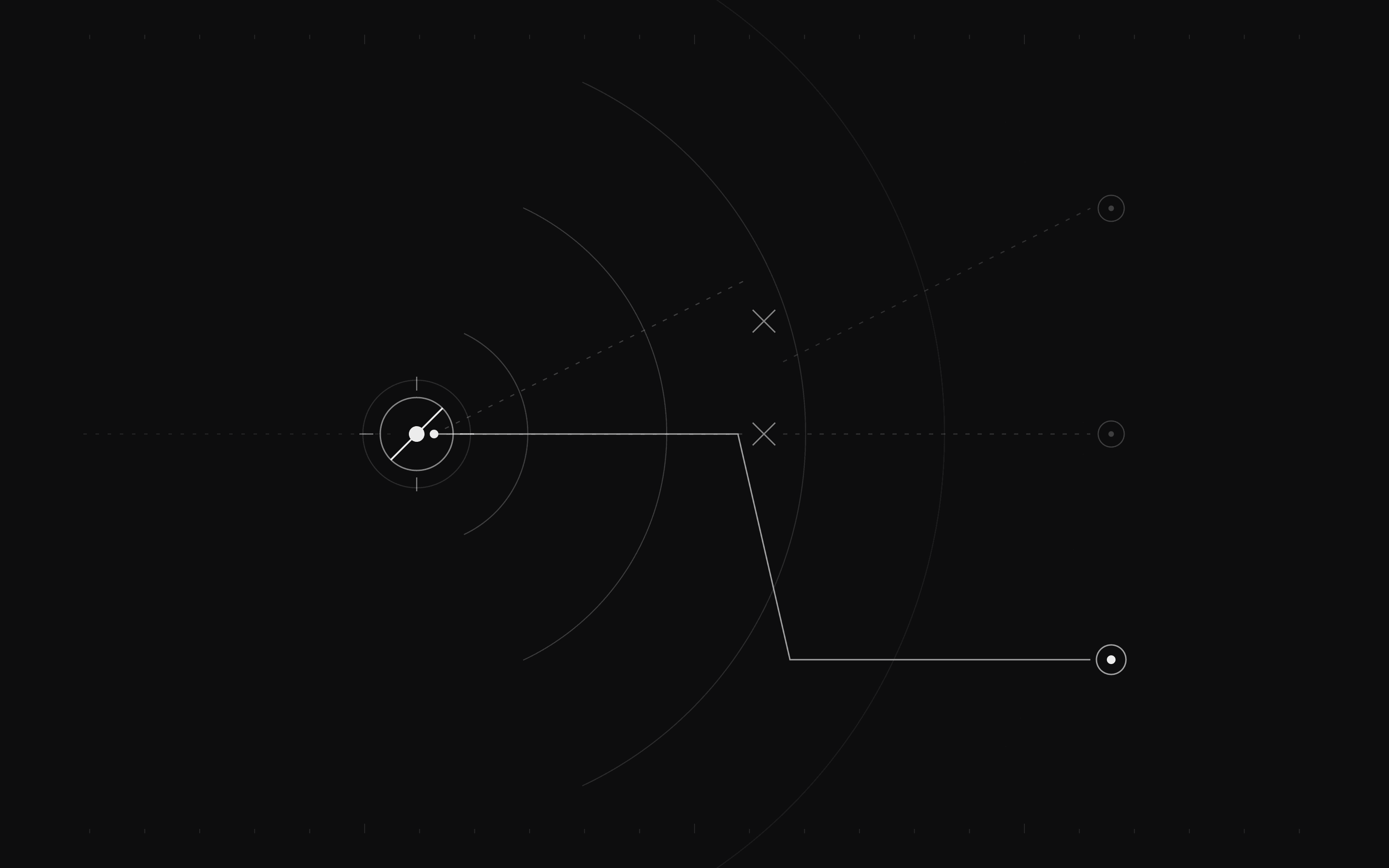
- Put the model behind a seam. Your application talks to an interface, not directly to one vendor's API. Swapping the model underneath should be a config change, not a rewrite.
- Make swapping safe with evals. A model swap is only as safe as your ability to prove the new one still behaves. A proper eval suite turns "can we switch?" from a gamble into a measured decision.
- Keep a fallback. The same pattern that handles rate limits and outages (degrade to a second model) is what carries you through a suspension like this one.
None of this is exotic. It is the difference between treating an AI model as a permanent fixture and treating it, correctly, as a swappable part. Built properly from the start means a headline like Friday's is an inconvenience, not a crisis.
If your product leans on a single model and this week made you uneasy, that is a healthy instinct. Let us talk about designing for portability before the next directive lands.